Concierge Level Service for Back, Spine & Joint Pain
Our Approach
Finding the Cause. Restoring Function.
Finding the Cause. Restoring Function.
Many patients come to Physicians’ Back Institute after months or years of persistent pain. They may have seen multiple physicians, undergone imaging, tried physical therapy, medications or injections, and still do not understand why they hurt.
Our approach begins with a simple principle:
Before deciding how to treat a problem, we first try to understand what is causing it.
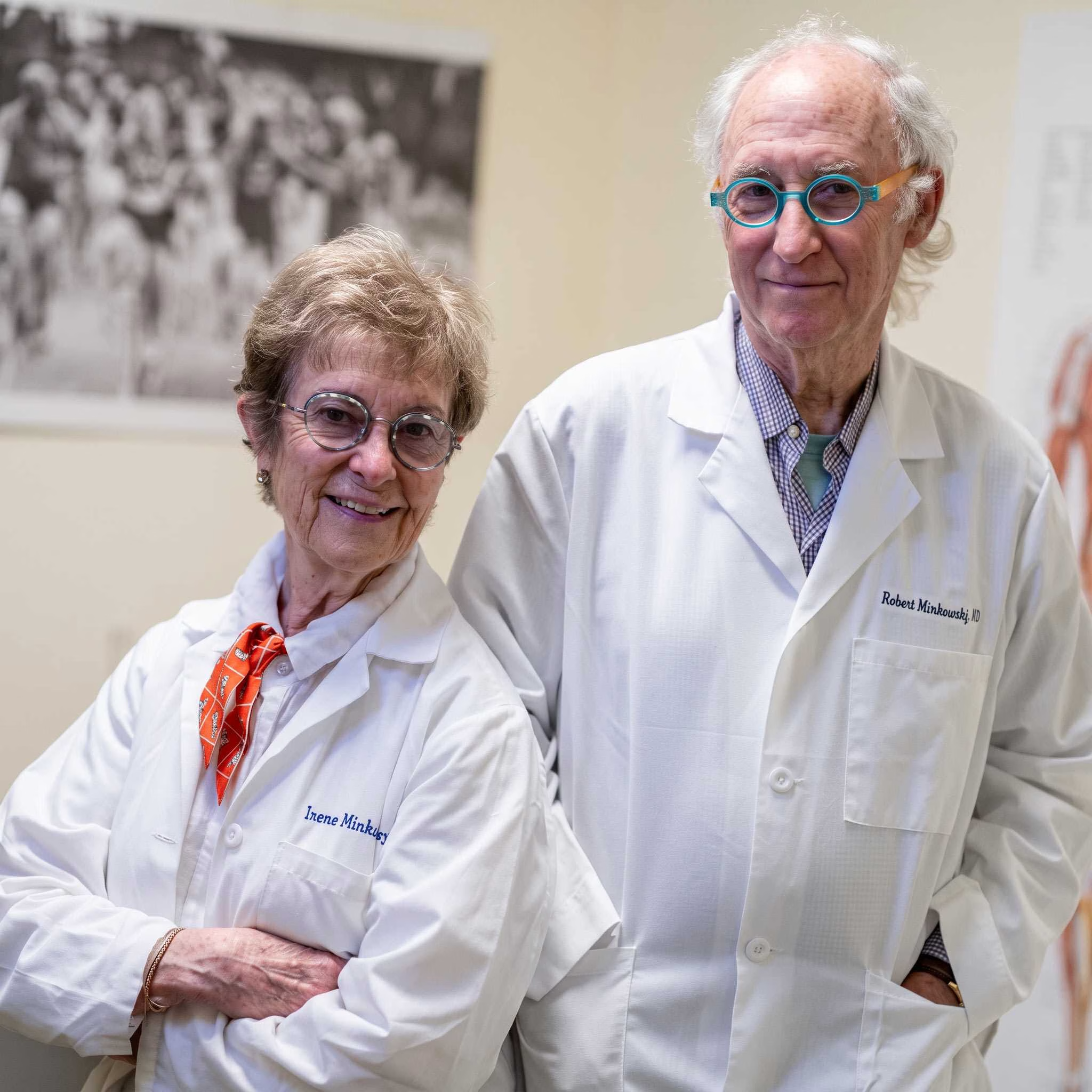
Robert Minkowsky, MD, and Irène Minkowsky, MD, are board-certified medical doctors with extensive postgraduate training in osteopathy. We combine medical knowledge with careful listening, detailed physical examination, hands-on osteopathic evaluation, and an understanding of how the entire musculoskeletal system functions together.

We Listen
Your Story Matters
A detailed history is often the first step toward an accurate diagnosis.
We want to know when your symptoms began, what was happening before they started, what makes them better or worse, and what treatments you have already tried.
Sometimes an old injury, fall, operation, or change in activity provides an important clue to symptoms that appeared much later.
The source of today’s pain may have begun weeks, months, or even years before.
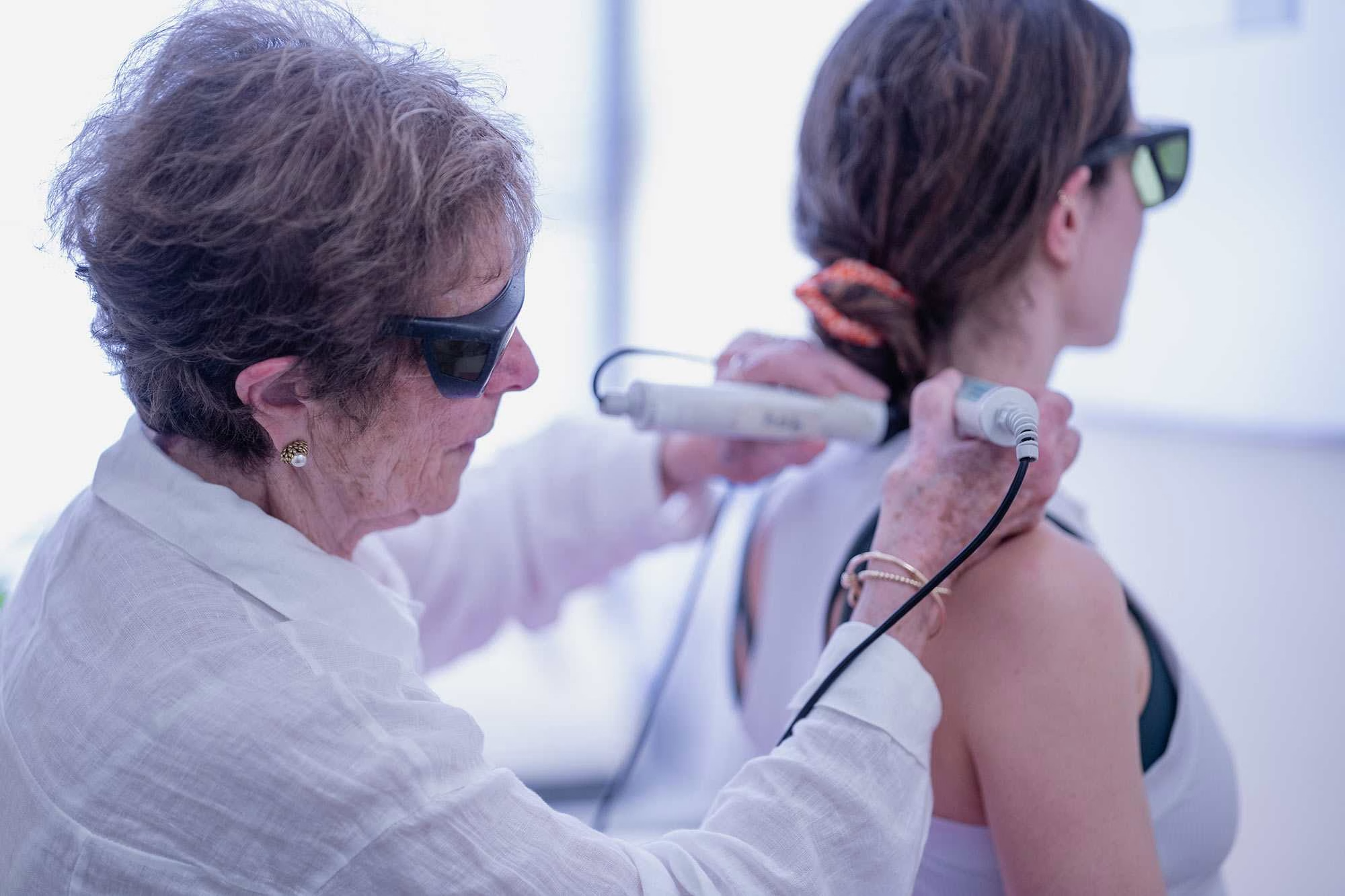
“I’ve been seeing Dr. Robert Minkowsky for a couple of years. Before that, I was suffering from chronic pain and had seen numerous specialists in San Francisco. None of them was able to help me as much as he has. I’m very grateful and cannot recommend him enough.”
– Veronica Voroyova via Google Maps 
We Think
Diagnosis Comes Before Treatment
Pain tells us that something is wrong. It does not necessarily tell us what is causing it.
We bring together your history, physical and neurologic examination, biomechanics, previous treatment response, and imaging when appropriate.
The same symptom can have many different causes. That is why we do not begin by choosing a treatment.
First understand the problem. Then decide how best to treat it.
We Examine
Hands-On Medicine Still Matters
X-rays and MRI scans can provide valuable information about anatomy, but they do not always explain pain.
An MRI shows us what the body looks like. A careful physical examination helps us understand how the body functions.
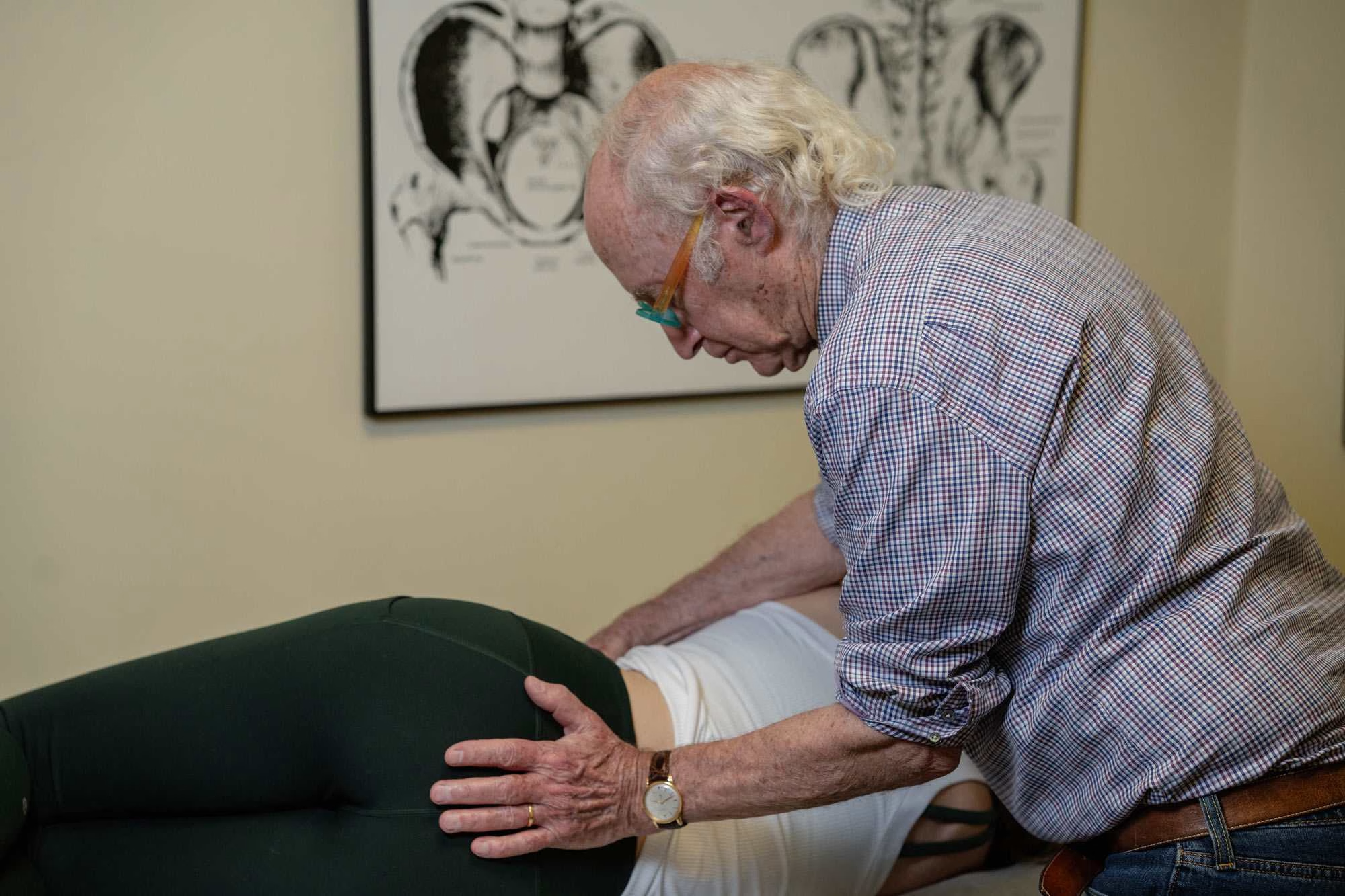
We evaluate posture, movement, joint mobility, muscle balance, neurologic function, and the relationships between different regions of the body.
Our osteopathic training adds careful hands-on examination to help identify restrictions and mechanical dysfunction that may not appear on imaging.
Sometimes the most important clue is not found on the MRI.
We Look at the Whole Body
Where You Hurt Is Not Always Where the Problem Begins
The musculoskeletal system is interconnected.
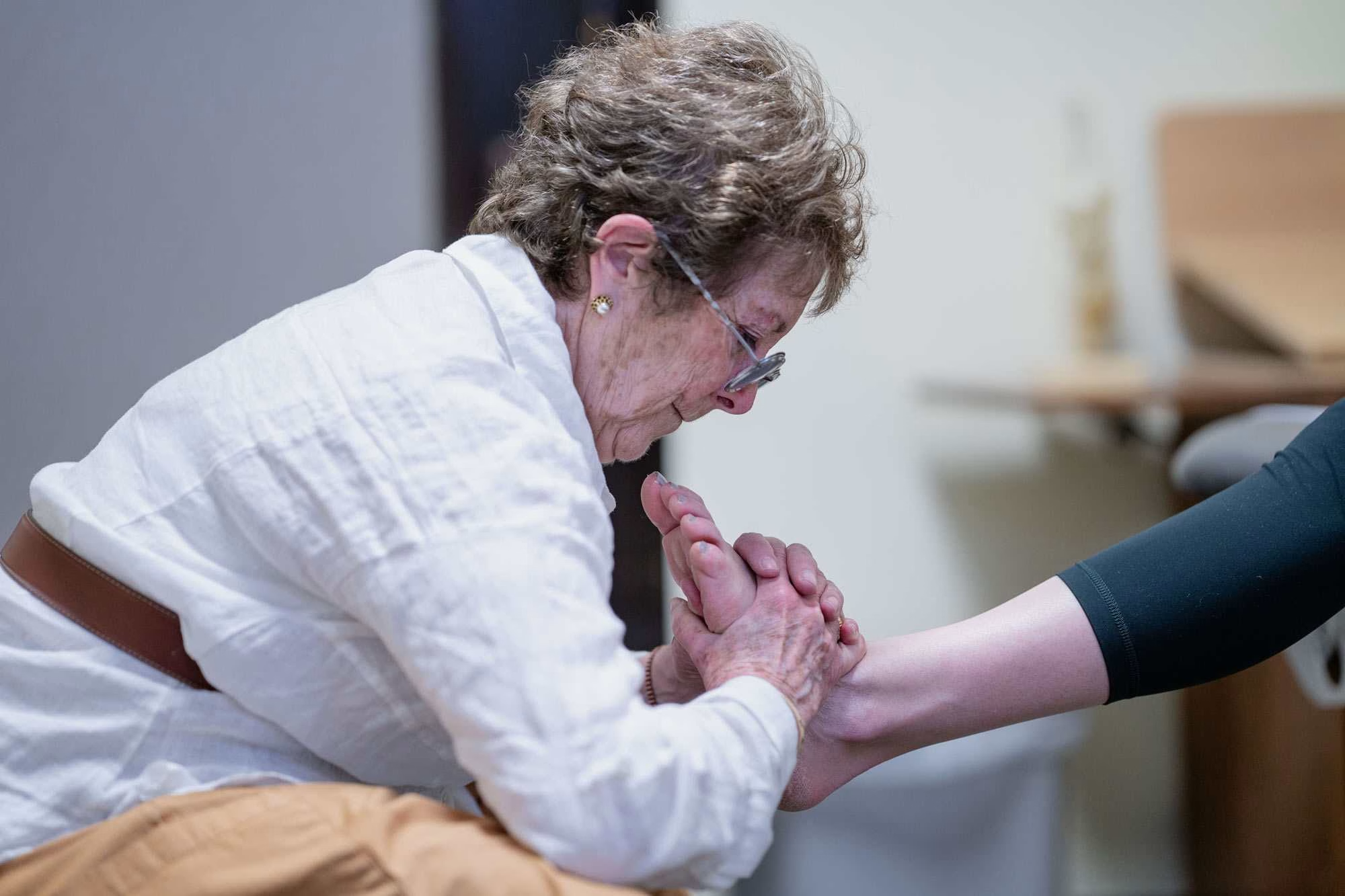
A painful knee may be compensating for a problem at the hip, ankle, or foot. Shoulder symptoms may be influenced by the neck or ribs. Buttock or leg pain may originate from the spine, pelvis, surrounding soft tissues, or nerves.
When one part of the body is not functioning normally, another part may compensate—and eventually become painful.
That is why our examination does not stop at the area that hurts.
We evaluate the entire body through an osteopathic lens, looking at how structure, movement, and function work together.
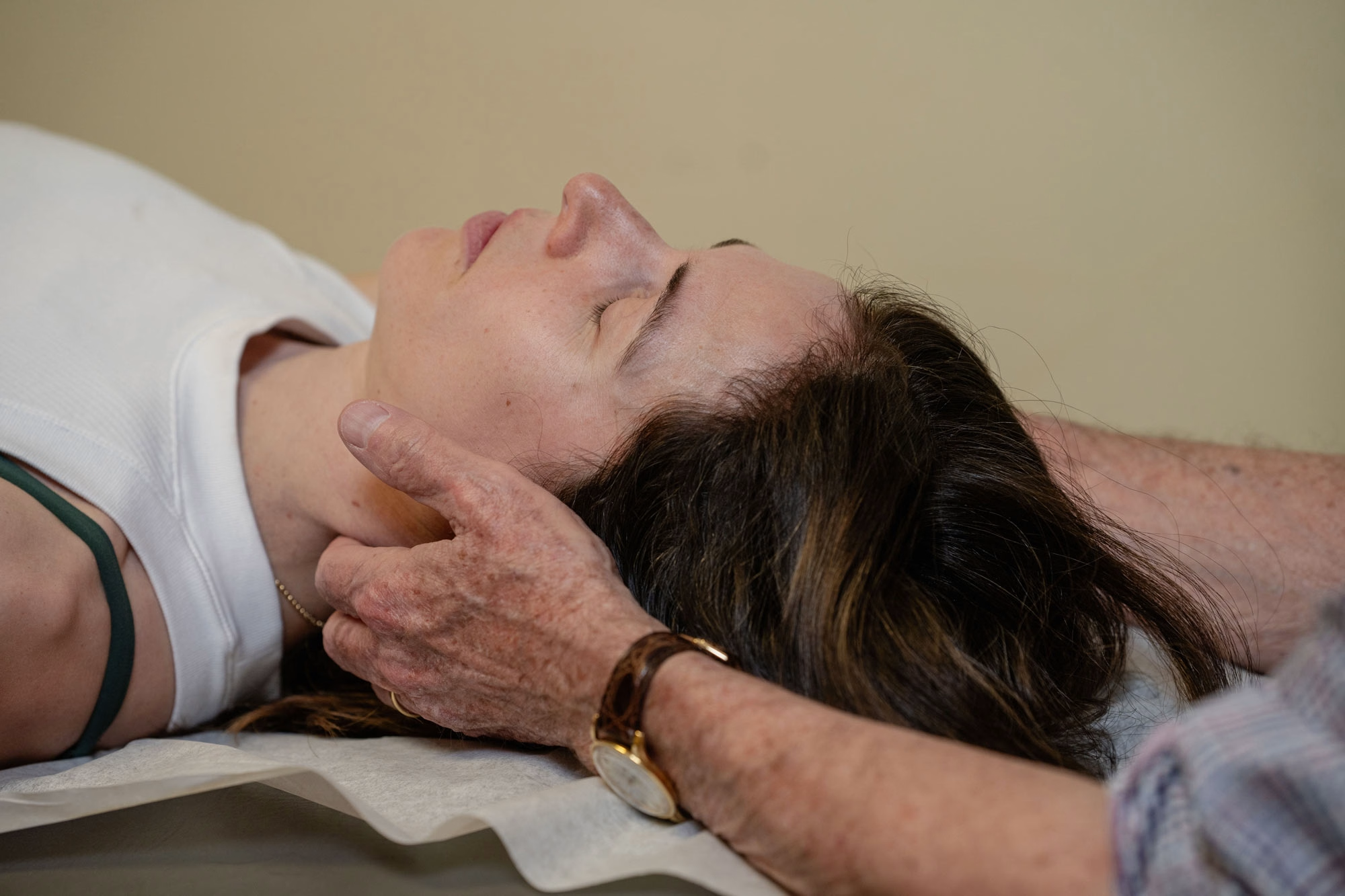
“These folks are miracle workers. Today, I can do things without a second thought that, before going to PBI, I thought I might never be able to do again. They have also been warm, kind, caring, thoughtful healers. I can’t recommend them enough for anyone with back issues.”
We Individualize
Treatment Should Fit the Patient
Once we understand the problem as clearly as possible, we develop an individualized treatment plan.
Depending on the condition, treatment may include osteopathic manual treatment, therapeutic exercise, rehabilitation, postural or ergonomic changes, medication when appropriate, or selected injection procedures.
Not every patient needs manipulation. Not every patient needs an injection. And not every abnormal MRI needs a procedure.
When additional testing, another specialist, or surgery is appropriate, we will recommend it.
Our goal is to restore function using the least invasive approach appropriate for your condition.

Physician-Led Care
At Physicians’ Back Institute, your evaluation and treatment are performed by the physicians themselves.
We take the time to explain what we find, what we believe is causing your symptoms, your treatment options, and what you can do to help maintain improvement.
Pain relief is important, but our goal goes beyond pain.
We want to help you return to the activities that matter to you—and give you the understanding and tools to function better on your own.
Finding the Cause. Restoring Function.
Whether your symptoms began recently or have persisted for years, our physicians will take the time to understand your condition, explain your diagnosis, and develop a treatment plan tailored to your individual needs.